21 Japandi Bedroom Ideas
Have you ever walked into a room and instantly felt your shoulders relax? That’s exactly the vibe a Japandi bedroom creates.
Japandi style blends the warmth and coziness of Scandinavian design with the simplicity and serenity of Japanese aesthetics.
Think clean lines, neutral colors, natural materials, and that peaceful “I can finally breathe” feeling.
If you’re dreaming about transforming your bedroom into a minimal, tranquil retreat, you’re in the right place.
Let’s talk through 21 Japandi bedroom ideas you can borrow, tweak, mix, and completely make your own.
1. Start with a calm neutral base
In Japandi design, your color palette is everything. Begin with soft neutrals like beige, ivory, taupe, stone gray, or warm white.
These tones create that soothing, uncluttered atmosphere the style is known for.
Think of it as giving your eyes room to rest. Nothing loud, nothing harsh—just gentle harmony.
2. Choose low-profile furniture
If you’ve ever seen traditional Japanese bedrooms, you’ll notice the furniture sits close to the ground.
Low platform beds, floor cushions, and squat nightstands all reinforce calm and grounded energy.
A low bed instantly feels relaxing—almost like the room is giving you permission to slow down.
3. Embrace natural wood tones
Wood is a huge part of Japandi style. But the key is keeping it natural. Light oak, ash, beech, or bamboo are perfect choices.
Let the grain show.
Skip heavy stains.
Avoid glossy finishes.
The more organic it looks, the better.
4. Add soft, layered textiles
Even though Japandi is minimal, it’s definitely not cold. Layering soft textiles adds warmth without clutter.
Try:
- linen bedding
- cotton throws
- wool blankets
- light drapery
Stick with natural fibers whenever possible—they add texture in a subtle, sophisticated way.
5. Keep clutter completely minimal
Japandi design takes the “less is more” rule seriously. That doesn’t mean your room should look empty—it just means everything has purpose.
Ask yourself:
“Does this item bring function, peace, or beauty?”
If not… it’s probably clutter.
Hidden storage is your new best friend.
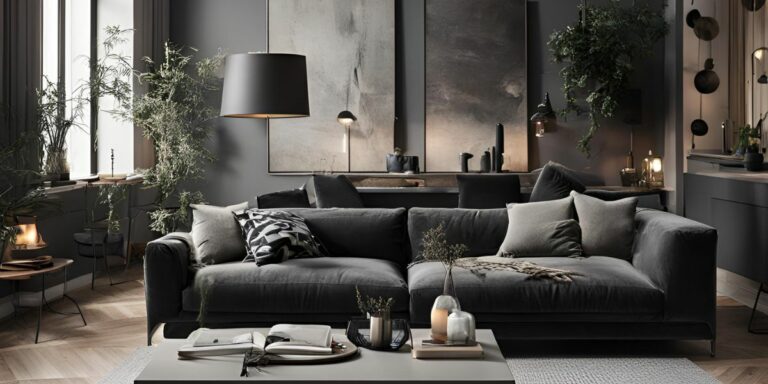
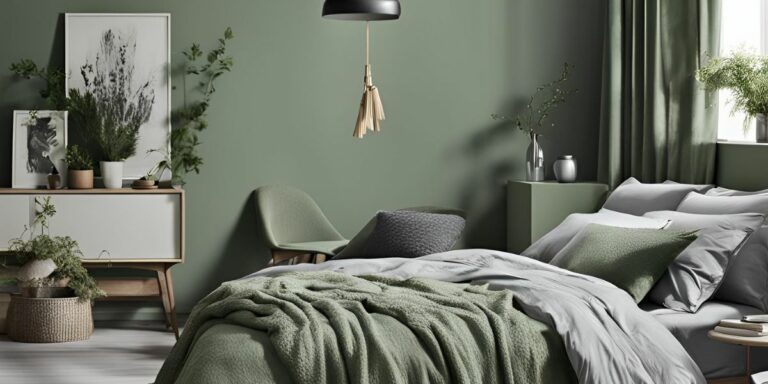
6. Use a muted, earthy color palette
Japandi bedrooms are grounded in nature-inspired tones. Think:
- warm beige
- clay
- greige
- muted greens
- charcoal
- soft browns
These colors make your space feel peaceful without looking bland.
7. Bring in cozy Scandinavian hygge vibes
Japandi actually grew from the idea of combining wabi-sabi (Japanese appreciation of imperfection) with hygge (Scandinavian coziness).
So yes—light candles.
Use plush throws.
Keep a soft reading light nearby.
You’re designing for comfort, not just aesthetics.
8. Celebrate wabi-sabi imperfections
This is one of my favorite Japandi bedroom ideas.
Wabi-sabi is the art of embracing imperfection.
So that slightly cracked pottery? Keep it.
That knot in the wood? Beautiful.
That handmade basket with uneven texture? Even better.
Your bedroom doesn’t need to look “perfect.” It needs to feel honest.
9. Keep your color contrast soft and simple
Japandi style loves contrast—but not dramatic, bold clashes. Instead of black-and-white extremes, choose:
- charcoal with ecru
- beige with warm wood
- sage with stone gray
This type of contrast creates depth without shouting for attention.
10. Use paper lantern or rice-paper lighting
Lighting sets the mood more than people realize.
Swap harsh ceiling fixtures for:
- paper lanterns
- fabric-covered lampshades
- rice-paper pendants
Soft, diffused light creates that dreamy, night’s-rest-awaiting atmosphere.
11. Add greenery (but don’t go overboard)
Plants bring life, softness, and color to a Japandi bedroom—but thoughtfully.
Choose simple, architectural plants like:
- snake plant
- rubber tree
- monstera
- small bonsai
Avoid overcrowding. One or two statement plants are better than twenty tiny ones.
12. Incorporate tatami or woven rugs
Bare floors can look beautiful—but a rug adds warmth and texture.
Look for rugs made from:
- jute
- sisal
- hemp
- wool
Flat-woven rugs fit Japandi perfectly because they feel natural and unfussy.
13. Choose functional, beautiful decor
Japandi style doesn’t separate function and aesthetics. Items should do both.
Think:
- ceramic bowls
- wood trays
- minimalist wall shelves
- handcrafted vases
Everything should earn its place.
14. Try a neutral accent wall
Japandi bedrooms don’t need loud feature walls—but a subtle one can add depth.
Consider:
- limewash paint
- textured plaster
- wood paneling
- slatted wood feature wall
The goal isn’t drama—it’s dimension.
15. Keep artwork simple and meaningful
Minimal doesn’t mean boring; it means intentional.
Great Japandi wall art ideas:
- ink brush art
- simple line drawings
- abstract neutrals
- nature scenes
Bonus points if the art looks slightly imperfect or handmade.
16. Prioritize quality over quantity
Japandi design is about mindful consumption. Instead of filling the space quickly, invest slowly in pieces you really love.
One beautifully crafted vase is worth more than a dozen trendy knick-knacks.
17. Use open space intentionally
Here’s a secret: empty space is part of the design.
Don’t feel like every corner needs something in it. Your eyes appreciate breathing room just as much as you do.
Negative space = calm mind.
18. Add subtle Japanese-inspired elements
You don’t need full shoji screens (unless you want them—then yes please).
But tiny nods to Japanese style go a long way:
- sliding doors
- floor cushions
- bamboo details
- low tea table
- simple bonsai
Just keep it light and respectful—not theme-like or costume-ish.
19. Keep technology visually minimized
Japandi bedrooms are meant to be restful sanctuaries, not mini theaters.
Hide cords.
Choose slim lamps.
Place TVs out of main sight—or skip them altogether.
Your sleep will thank you.
20. Leave room for natural light
If you can only change one thing—make it lighting.
Let sunlight pour in during the day. Swap thick, blackout drapes for:
- sheer curtains
- linen panels
- roller blinds
Soft natural light turns any room instantly Japandi.
21. Make your bedroom feel like a retreat
At its heart, Japandi is about how the room makes you feel.
Ask yourself:
- Do I feel calm here?
- Is the space easy to maintain?
- Does it reflect simplicity and warmth?
- Can I breathe here?
If your answer is yes, congrats—you’ve nailed it.
Final thoughts: Japandi is more than a style—it’s a mindset
A Japandi bedroom isn’t just about matching Pinterest boards or following rules. It’s about slowing down. Choosing intentionally. Letting your home support your peace instead of competing for your attention.
You don’t need expensive furniture.
You don’t need an interior design degree.
You don’t need a huge space.
All you need is:
- neutral tones
- natural textures
- less clutter
- more calm
Little by little, your bedroom can transform into the serene sanctuary you’ve been craving.